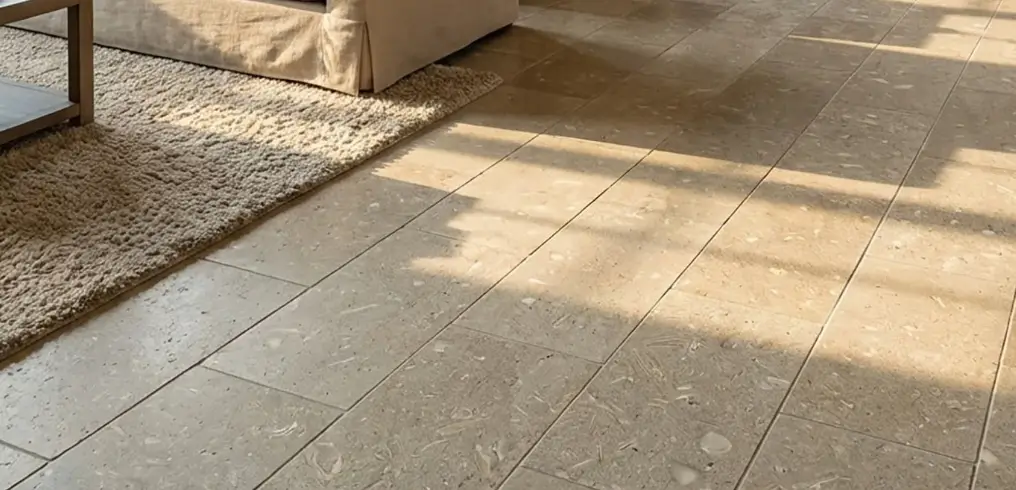

Choosing the right flooring material is a key decision in Interior Design and Home Improvement, impacting not only aesthetics but also durability and maintenance. Two popular choices in this realm are Limestone Floor Tiles and Ceramic Tiles. As homeowners and designers seek long-lasting solutions, understanding the characteristics and longevity of each option becomes crucial. In this article, we will explore the durability of both limestone and ceramic tiles, providing insights into their features, comparative analysis, and factors that influence their lifespan.
Limestone Floor Tiles: Characteristics and Durability
Limestone Floor Tiles are renowned for their unique aesthetic appeal, often contributing to Focal Point Design with their natural patterns and textures. Limestone is a sedimentary rock, which is softer than ceramic, yet it offers a distinct tactile experience design that many homeowners find desirable. For those interested in incorporating Limestone Floor Tiles into their interior design, it’s essential to consider the material palette selection. These tiles can complement various design themes, from contemporary to rustic, enhancing overall ambiance and comfort. While limestone tiles require sealing to prevent stains, they are durable and can withstand heavy foot traffic if properly maintained.
According to Historic Preservation Standards, limestone is favored for its timeless beauty and ability to blend with various design styles. Additionally, limestone’s capacity to age gracefully makes it a preferred choice for spaces looking to incorporate biophilic design elements. With proper care, limestone tiles can maintain their appearance for decades, making them a viable long-term flooring solution.
Ceramic Tiles: Features and Longevity
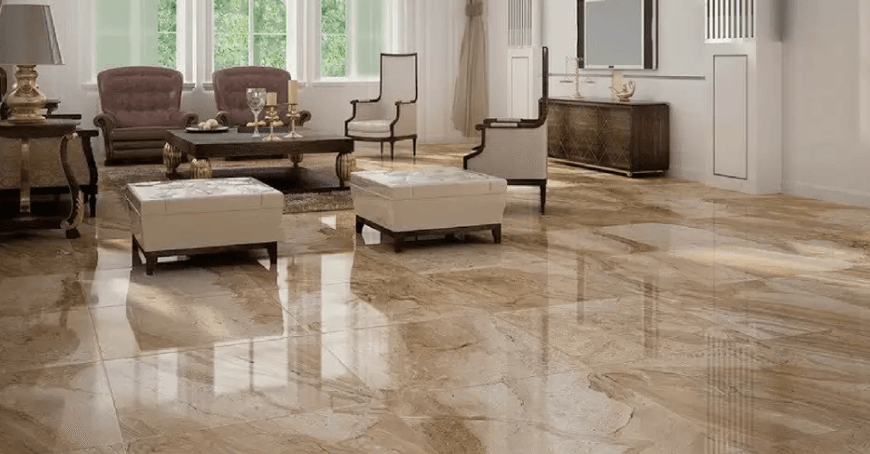
Ceramic tiles are a staple in home improvement due to their durability and versatility. Made from natural clay, ceramic tiles are fired at high temperatures, resulting in a hard, dense surface that is resistant to water and stains. This makes ceramic tiles ideal for areas prone to moisture, such as kitchens and bathrooms, and supports effective space planning.
In terms of longevity, ceramic tiles boast impressive durability, often lasting decades with minimal maintenance. A significant advantage of ceramic tiles is their adherence to LEED Certification standards, promoting eco-friendly practices in home construction and renovation. Furthermore, ceramic tiles are available in a vast range of colors and patterns, allowing for creative color theory application in interior design projects.
Lighting layering can further enhance the appearance of ceramic tiles, highlighting their sheen and texture. When paired with the right FF&E (Furniture, Fixtures, and Equipment), ceramic tiles can create a cohesive and visually appealing design scheme.
Comparative Analysis of Limestone and Ceramic Tiles
When comparing Limestone Floor Tiles and ceramic tiles, several factors come into play, including material composition, maintenance requirements, and design compatibility. Limestone, with its natural stone composition, offers a softer surface but requires regular sealing for longevity. In contrast, ceramic tiles, known for their robustness, are easier to maintain and less prone to damage from water or stains.
Recent reports from Architecture Digest indicate that ceramic tiles often outperform limestone in high-moisture environments due to their water resistance. However, limestone’s unique aesthetic and tactile experience can be a significant draw for those prioritizing design over practicality.
For homeowners who prioritize sustainability, ceramic tiles may offer an advantage due to their compliance with eco-friendly standards. However, limestone’s ability to integrate seamlessly into naturalistic and biophilic designs can make it the preferred choice for spaces aiming to harmonize with nature.
Factors Influencing Tile Lifespan and Maintenance
The lifespan of both limestone and ceramic tiles is influenced by several factors, including installation quality, environmental conditions, and maintenance practices. Proper installation is crucial; incorrect techniques can lead to premature wear and tear. For limestone, sealing is imperative to prevent damage from stains and moisture, whereas ceramic tiles require regular cleaning to maintain their appearance.
Environmental factors such as humidity and temperature fluctuations can affect tile durability. Ceramic tiles, with their enhanced resistance to moisture, are less susceptible to environmental damage compared to limestone. Moreover, ergonomic assessment during installation ensures that both tile types provide comfort and functionality.
Recent studies from Houzz highlight the importance of ongoing maintenance in extending tile lifespan. Regular cleaning, resealing, and repair can ensure that both limestone and ceramic tiles remain in pristine condition for years.
Conclusion
Limestone Floor Tiles and ceramic tiles each offer unique benefits and challenges, impacting their lifespan and suitability for different environments. Homeowners and designers must weigh factors such as material composition, maintenance requirements, and design goals when selecting the ideal flooring option. Ultimately, the choice between limestone and ceramic tiles should align with the overall vision for the space, ensuring both durability and aesthetic appeal.

 By