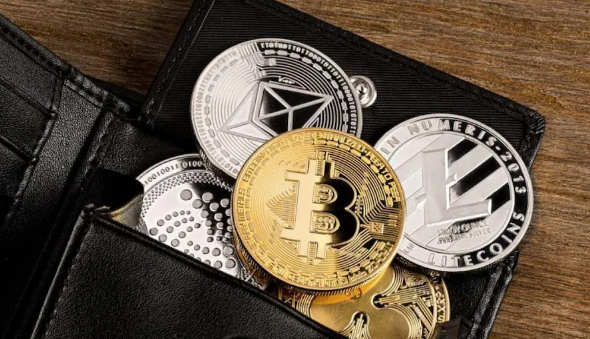

Storing cryptocurrency safely is a multifaceted challenge that requires a thorough understanding of various storage options. Hardware wallets stand out as a secure choice, offering offline protection for private keys. However, relying solely on one method can expose users to risks. Best practices for software wallets and securing online accounts also play critical roles. Exploring these strategies further reveals essential steps that can significantly enhance the security of digital assets.
Understanding Different Storage Options
As individuals increasingly venture into the world of cryptocurrency, understanding the various storage options becomes crucial for safeguarding their digital assets.
Cold storage solutions, which involve offline methods, offer robust security against online threats.
Additionally, multi-signature wallets enhance protection by requiring multiple private keys for transactions, thereby minimizing the risk of unauthorized access and ensuring greater control over one’s financial freedom.
The Importance of Hardware Wallets
Although various storage solutions exist, hardware wallets stand out as a premier choice for those seeking to secure their cryptocurrency investments.
The hardware wallet advantages include enhanced security against hacking, offline storage, and user control over private keys.
When choosing hardware wallets, individuals prioritize robust encryption and ease of use, ensuring their digital assets remain protected while retaining the freedom to manage their wealth independently.
Best Practices for Software Wallets
While software wallets offer convenience and accessibility for managing cryptocurrency, adhering to best practices is essential to mitigate security risks.
Users should prioritize software wallet security by regularly updating the wallet application and employing strong passwords.
Additionally, implementing wallet backup strategies, such as storing recovery phrases securely and using multiple backups, can safeguard against data loss and unauthorized access, ensuring a more resilient cryptocurrency management approach.
See also: Holographic Technology Advances
Securing Your Online Accounts and Transactions
The security of online accounts and transactions is paramount in the realm of cryptocurrency, where the potential for loss due to hacking or fraud is significant.
Implementing two-factor authentication provides an additional security layer, reducing vulnerability. Moreover, employing strong passwords—unique, complex, and regularly updated—further safeguards accounts.
Conclusion
In conclusion, safely storing cryptocurrency necessitates a multifaceted approach that includes cold storage solutions like hardware wallets and vigilant management of software wallets. While some may argue that hardware wallets are too cumbersome for frequent transactions, their enhanced security features far outweigh the inconvenience. By adopting a comprehensive strategy that incorporates multi-signature wallets, strong passwords, and regular updates, individuals can effectively mitigate risks, ensuring the protection of their digital assets against evolving security threats.


 By
By