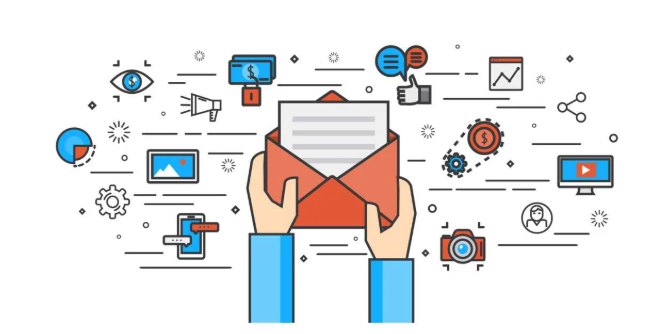

Email marketing automation stands as a critical strategy for businesses aiming to enhance customer engagement and drive conversions. By leveraging personalized content and targeted segmentation, brands can foster stronger connections with their audience. This approach not only streamlines communication but also optimizes the timing of messages based on specific triggers. However, the true potential of email automation lies in its implementation and measurement of success, which warrants a closer examination.
The Benefits of Email Marketing Automation
Email marketing automation serves as a pivotal tool for businesses aiming to enhance their outreach and engagement strategies.
By employing personalization strategies, companies can tailor messages to individual preferences, fostering deeper connections.
Coupled with segmentation techniques, they can deliver targeted content to specific audience segments, maximizing relevance and impact.
This strategic approach not only drives higher engagement rates but also cultivates customer loyalty and satisfaction.
Key Components of an Effective Automated Campaign
While many factors contribute to the success of an automated campaign, several key components stand out as essential for maximizing effectiveness.
Understanding the target audience is crucial, allowing for tailored messaging that resonates.
Additionally, campaign segmentation enables marketers to deliver relevant content to specific groups, enhancing engagement and conversion rates.
These components create a strategic framework that empowers brands to connect meaningfully with their audience.
Best Practices for Implementing Email Automation
Implementing email automation requires a strategic approach to ensure effectiveness and efficiency.
Key best practices include robust email segmentation to tailor messages to specific audience segments, enhancing engagement.
Additionally, identifying trigger events—such as user behavior or milestones—can optimize the timing and relevance of communications.
Together, these strategies empower marketers to foster meaningful connections, ultimately liberating their creative potential while maximizing campaign success.
See also: Electric Batteries and Energy Storage
Measuring Success: Metrics to Track in Email Marketing Automation
Effective measurement of email marketing automation hinges on a comprehensive understanding of key performance metrics.
Open rates reveal audience engagement, while conversion rates indicate the effectiveness of campaigns in driving desired actions.
By strategically analyzing these metrics, marketers can refine their approaches, enhancing both customer relationships and business outcomes.
This data-driven insight empowers businesses to optimize their strategies for greater freedom and success in the market.
Conclusion
In summary, embracing email marketing automation is akin to unlocking a treasure trove of opportunities for businesses. By deftly weaving personalized content into well-timed communications, brands can cultivate meaningful relationships with their audiences. As they navigate the intricate landscape of automated campaigns, the potential for enhanced engagement and customer loyalty becomes increasingly evident. Ultimately, this strategic approach not only elevates marketing efforts but also paves the way for sustained success in an ever-evolving marketplace.


 By
By