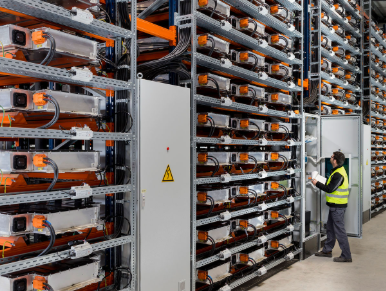

Electric batteries and energy storage systems are critical to modern energy infrastructure. Their evolution has been marked by significant advancements in chemistry and design, particularly in lithium-ion and solid-state technologies. These improvements enhance energy density and safety, facilitating renewable energy integration. However, substantial challenges remain, including scalability and cost efficiency. Understanding these dynamics is essential to grasp the future landscape of energy solutions and their implications for sustainability and grid stability.
The Evolution of Electric Battery Technologies
As advancements in materials science and electrochemistry progressed, the evolution of electric battery technologies became a pivotal factor in energy storage solutions.
Lead acid advancements provided foundational knowledge, while lithium ion breakthroughs revolutionized energy density and cycle longevity.
These developments not only enhanced performance but also addressed sustainability concerns, paving the way for innovative applications that promote energy independence and empower users to harness stored power effectively.
Key Applications of Energy Storage Systems
Numerous key applications of energy storage systems are transforming the landscape of energy utilization across various sectors.
These applications enhance grid stability, facilitate renewable integration, and support the proliferation of electric vehicles.
Additionally, energy storage plays a crucial role in providing emergency backup power, ensuring reliability during outages and fostering a resilient energy infrastructure that empowers consumers with greater autonomy and flexibility in energy management.
Innovations in Battery Chemistry and Design
Recent advancements in battery chemistry and design are pivotal in enhancing the performance and efficiency of energy storage systems.
Lithium advancements, particularly in energy density and cycle life, have propelled the industry forward.
Concurrently, solid state innovations promise improved safety and thermal stability, addressing previous limitations of liquid electrolytes.
These breakthroughs collectively signify a transformative shift in the viability and longevity of energy storage technologies.
See also: gapturf
Challenges and Future Directions in Energy Storage
While advancements in battery technology have made significant strides, several challenges remain that hinder the widespread adoption of energy storage systems.
Scalability issues present obstacles in meeting diverse energy demands, while the imperative for cost reduction continues to drive research.
Future directions must focus on innovative materials and designs that enhance performance, affordability, and integration within renewable energy frameworks, ensuring sustainable energy solutions.
Conclusion
In conclusion, the advancements in electric battery technologies are integral to the future of energy sustainability. Notably, the global energy storage market is projected to reach 1,095 gigawatt-hours by 2030, a staggering increase that underscores the critical role these systems will play in accommodating renewable energy sources. As innovations in battery chemistry continue to evolve, addressing challenges such as cost and scalability will be essential for realizing their full potential in achieving energy independence and resilience.


 By
By